Implementing standardized laboratory protocols ensures that high-grade materials perform as expected throughout the study.
Lyophilized State Storage Protocols
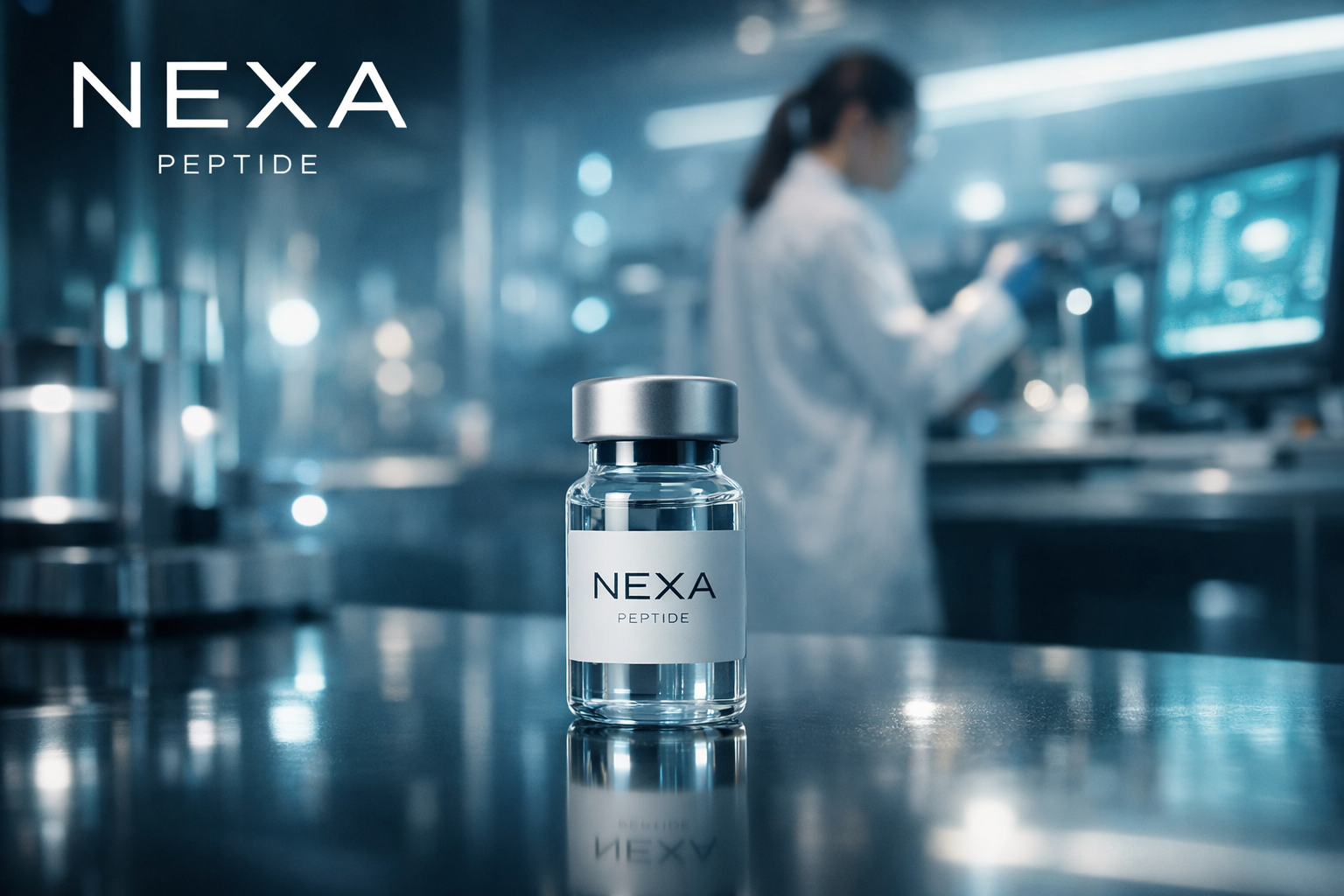
Most research peptides are delivered in a lyophilized (freeze-dried) powder form, which offers superior stability during transit. Upon arrival, vials should immediately be placed in temperature-controlled environments to preserve their molecular structure.
Sourcing high-grade compounds from Nexa Peptides ensures that materials are properly desiccated and packaged, but ongoing laboratory climate control remains essential. Store lyophilized powders at –20°C for short-to-medium-term stability, or at –80°C for long-term storage, keeping them protected from direct light exposure.
Step-by-Step Reconstitution Guidelines
Reconstituting freeze-dried peptides requires careful technique to avoid structural shear or contamination:
- Allow Temperature Equilibration: Bring the vial to room temperature before opening to prevent condensation from forming inside the container.
- Select the Correct Solvent: Use sterile bacteriostatic water or appropriate buffer solutions based on the specific solubility profile of the peptide.
- Gentle Addition: Direct the solvent down the inner glass wall of the vial rather than splashing directly onto the powder cake.
- Swirl, Don't Vortex: Gently swirl the vial until the powder dissolves completely; aggressive shaking can denature fragile peptide structures.
Preventing Freeze-Thaw Cycles
Once reconstituted into a liquid solution, peptides become significantly more susceptible to enzymatic degradation and hydrolysis. To maximize shelf life, divide the stock solution into single-use aliquots before freezing. This practice prevents repeated freeze-thaw cycles, which rapidly degrade biological potency.
Conclusion
Adhering to strict storage and reconstitution practices safeguards valuable research investments. Proper handling ensures that high-purity peptides maintain their structural integrity from the moment they leave the warehouse to the final step of your experiment.