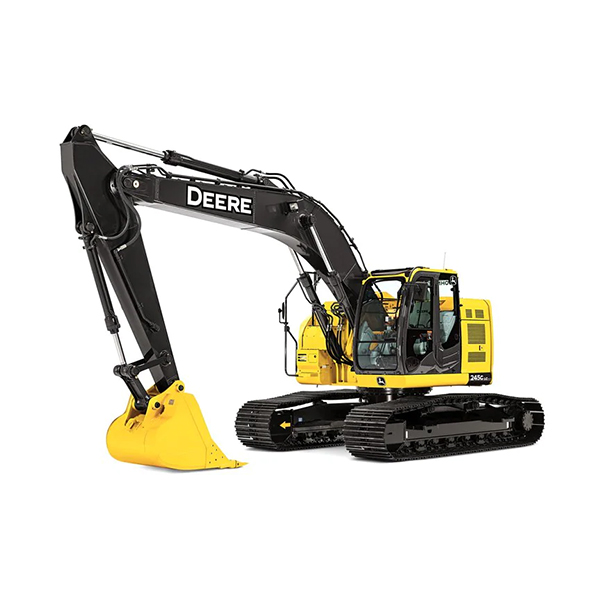
Investing in pre-owned heavy machinery is an excellent way for commercial contractors to scale up their operations without absorbing massive initial depreciation costs. However, the secondary machinery market demands deep technical knowledge and a highly analytical eye to navigate successfully. Educating yourself on proper evaluation techniques prevents your business from inheriting someone else’s mechanical headaches.
The Financial Logic of Buying Pre-Owned Industrial Machinery
Purchasing pre-owned machinery allows smart business owners to stretch their capital further and avoid steep new equipment premiums. This financial flexibility enables you to acquire multiple versatile units rather than sinking your entire budget into a single new machine. Furthermore, pre-owned equipment is often readily available for immediate job site deployment, bypassing lengthy factory production delays.
Documenting the True Mechanical Condition Through Diligent Testing
Never rely solely on clean cosmetic appearances or fresh coats of paint when evaluating industrial workhorses. Conduct an extended test drive under realistic load conditions to observe how the transmission and engine perform under stress. Listen closely for unusual grinding noises, excessive engine vibrations, or sluggish hydraulic responses.
Analyzing Electronic Control Module Data and Hour Meters
Modern industrial machinery features sophisticated on-board computers that log historical operational data and active fault codes. Connecting a diagnostic scanner to the electronic control module reveals the machine's true historical workload and engine temperatures. Cross-reference this digital data with the physical hour meter to confirm absolute reporting accuracy.
Sourcing Multi-Purpose Construction Equipment for Your Fleet
For contractors balancing tight project deadlines and diverse terrain challenges, compact multi-purpose loaders are an absolute necessity. Partnering with a premier machinery broker like Monster Iron connects you with top-tier used skid steers for sale at fair market rates. These rugged machines excel at grading, loading, and material transport across tight residential and commercial jobsites.
- Check the hydraulic pump flow capacity to ensure compatibility with high-demand attachments.
- Inspect the bucket cutting edges and loader arm pivot points for structural wear.
- Verify the functionality of the roll-over protective structures inside the operator cab.
Elevating Your Internal Logistics Infrastructure Safely
While earthmoving machinery handles the raw site preparation, specialized lifting equipment is required to manage organized inventory storage. Ensuring your loading docks are powered by reliable machinery keeps your material distribution cycles moving efficiently. Reviewing the available forklifts for sale through a certified broker allows you to upgrade your material handling capabilities smoothly.
Establishing Long-Term Broker Partnerships for Fleet Lifecycle Success
Building a lasting relationship with a dedicated heavy equipment broker provides immense value throughout your business journey. Trusted brokers handle the stressful logistics of transport, machinery locating, and trade-in evaluations seamlessly. This professional support allows you to rotate your fleet assets strategically as your business needs evolve over time.
Conclusion
Successful machinery procurement relies on thorough physical testing, digital diagnostics, and the guidance of an expert heavy equipment broker. By maintaining rigorous evaluation standards, you secure reliable assets that drive consistent project profitability. Partner with established industry professionals to build a powerful, cost-effective machinery fleet with total peace of mind.