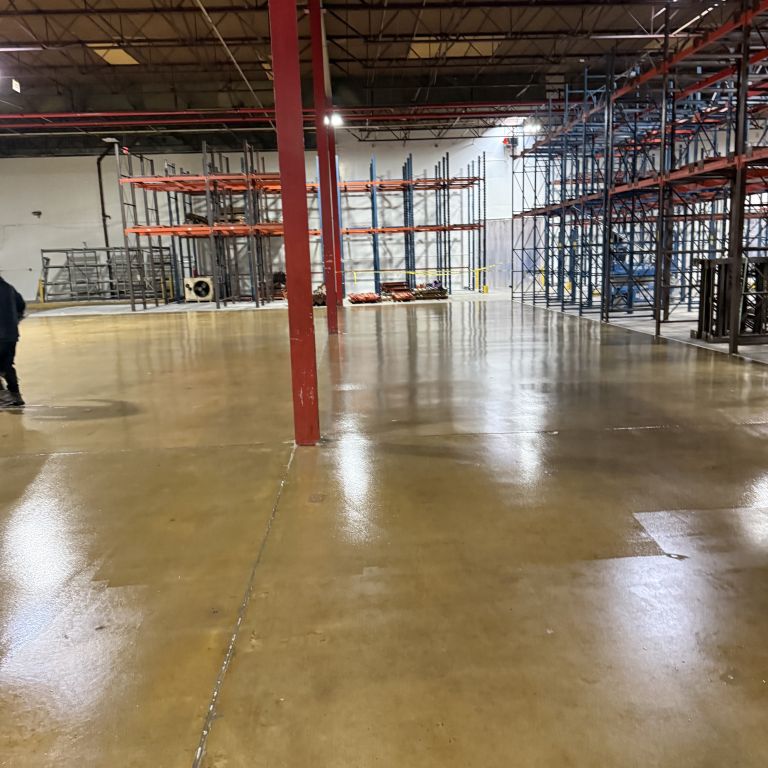
Managing a large industrial facility means making decisions that affect safety, productivity, and long-term operating costs simultaneously. Flooring is one of those foundational decisions that rarely gets the attention it deserves until something goes wrong. A cracked floor in a manufacturing plant can slow operations, create safety risks, and trigger compliance issues in a matter of hours. Understanding the specific demands of industrial high traffic flooring is essential for any facility manager responsible for maintaining a productive and safe work environment.
Why Industrial Flooring Requirements Differ From Commercial Applications
Industrial facilities place far more extreme demands on flooring than offices, retail stores, or even restaurants. Heavy machinery, forklifts, pallet jacks, thermal cycling, chemical spills, and constant vibration all take a toll on floor surfaces. Many standard commercial flooring products are not engineered to withstand these conditions. Industrial floors must meet specific load-bearing ratings, chemical resistance classifications, and anti-static standards depending on the type of operation. Ignoring these requirements leads to premature failure and, more importantly, dangerous conditions for workers.
Key Performance Specifications for Industrial Floors
When evaluating industrial high traffic flooring options, facility managers should look at compressive strength, chemical resistance rating, thermal tolerance, and surface profile. Compressive strength matters in areas where heavy equipment operates. Chemical resistance is critical in manufacturing, food processing, and chemical handling environments. Thermal tolerance prevents cracking and delamination in facilities with extreme temperature variations. Surface profile affects slip resistance and ease of cleaning. Understanding which specifications are non-negotiable for your operation helps you evaluate products accurately.
Case Study: Upgrading a Logistics Center Floor
A mid-Atlantic logistics company recently undertook a major floor upgrade in their 120,000-square-foot distribution center. After years of patching deteriorating concrete, they chose a high-build epoxy system with broadcast aggregate for traction. The project was completed in phases to avoid disrupting operations. Within six months, the facility reported a 30 percent reduction in forklift maintenance costs attributed to smoother floor surfaces, and three recurring safety incidents in the loading area were eliminated. The project paid for itself ahead of schedule.
Planning and Phasing an Industrial Floor Project
Large-scale industrial flooring projects require careful planning to minimize downtime. Work with your flooring contractor to develop a phased installation schedule that keeps critical operational areas running. Consider seasonal factors that affect curing times for epoxy and other chemical systems. Budget for surface preparation, which in industrial settings often accounts for 30 to 40 percent of the total project cost. The right industrial high traffic flooring investment, planned and executed properly, delivers decades of reliable performance with minimal maintenance.
Conclusion
For facility managers, industrial high traffic flooring is one of the most consequential infrastructure decisions you will make. The right choice keeps workers safe, equipment running smoothly, and operational costs in check. Take the time to understand your specific requirements, work with experienced specialists, and plan the project with your operational needs in mind.