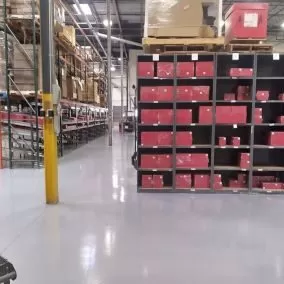
OSHA compliance in warehouse and distribution facilities is not optional, and the consequences of non-compliance extend far beyond fines. Worker injuries from preventable floor-related hazards create human costs, operational disruptions, and liability exposures that no facility wants to manage. Warehouse epoxy flooring is one of the most effective physical measures a facility can take to address the floor-related compliance requirements that OSHA's general industry standards cover.
What Does OSHA Say About Warehouse Floor Conditions?
OSHA's general industry standards under 29 CFR 1910 address workplace floor conditions in several contexts. The walking-working surfaces standard requires that floors be kept clean and dry, free from hazards such as holes, depressions, projections, and defective surfaces that could cause trips or falls. The housekeeping standard requires facilities to maintain orderly conditions with adequate drainage and cleanability.
OSHA also addresses slip and fall hazards specifically, requiring appropriate floor covering or other precautions when floors that are wet from cleaning present a hazard. In areas where liquids may accumulate, drainage or non-slip surfaces are required. These requirements aren't abstract compliance boxes. They reflect real safety risks that concrete floors without proper surface treatment fail to adequately address.
How Does Epoxy Address the OSHA Walking-Working Surfaces Requirements?
A deteriorating concrete floor in an active warehouse almost certainly creates conditions that violate the walking-working surfaces standard. Cracks, depressions from joint edge chipping, and surface deterioration from forklift wear all constitute the kind of defective surface conditions the standard prohibits. OSHA inspectors who see these conditions during a site visit may cite them as violations that require prompt remediation.
A properly installed warehouse epoxy flooring system creates a compliant walking-working surface that's crack-free, level, and free from the surface defects that characterize deteriorating concrete. When joint filler treatment is included as part of the system, the joint areas that most frequently create the chipping and edge elevation changes that trip people are properly addressed.
What Role Do Floor Markings Play in OSHA Compliance?
OSHA's 1910.22 standard specifically addresses marking of permanent aisles and passageways in industrial workplaces. Aisles must be marked if appropriate, and that marking needs to be visible and maintained. In a warehouse context, that means forklift traffic lanes, pedestrian pathways, and hazard zones need clear, visible, durable delineation.
Painted markings on bare concrete fade quickly under forklift tire abrasion and cleaning chemical exposure, creating recurring repainting obligations to maintain compliant visibility. Epoxy-integrated floor markings, applied as part of the coating system and protected by the topcoat layer, maintain their visibility significantly longer. That durability reduces the compliance maintenance burden and ensures markings remain legible between scheduled repainting cycles.
How Does Non-Slip Epoxy Surface Performance Support OSHA Requirements?
The requirement for non-slip surfaces in areas where liquids may accumulate or surfaces may become wet is directly addressed by textured epoxy topcoat systems. The broadcast aggregate texture profile integrated into industrial epoxy systems provides reliable traction across wet and lightly contaminated surface conditions, meeting the non-slip precaution requirement without requiring ongoing placement and maintenance of portable anti-slip mats.
In dock areas where weather-related moisture is a regular factor, and in battery charging zones where electrolyte spills are a foreseeable risk, a warehouse epoxy flooring system with appropriate texture specification provides a durable, maintenance-free approach to meeting the non-slip requirement.
What Documentation Supports OSHA Compliance for Flooring?
OSHA inspectors may request documentation of floor condition assessments, remediation histories, and maintenance practices when investigating floor-related incidents or conducting planned inspections. Maintaining records of the epoxy installation, including specification documents, contractor certifications, and post-installation inspection results, supports the documentation of a proactive floor safety program.
High Performance Systems, as certified epoxy flooring contractors since 1988, provides clients with the installation documentation that supports this compliance record. A contractor without certification and documented processes can't provide the same level of supporting documentation, which creates a gap in the compliance record that could complicate OSHA interactions.
How Does Epoxy Flooring Reduce Slip-and-Fall Incident Rates?
The practical safety outcome of textured, non-slip epoxy surfaces is a measurable reduction in slip-and-fall incident rates in facilities that make the upgrade from bare or poorly maintained concrete. While specific data varies by facility, the combination of consistent traction across the entire floor surface, elimination of surface irregularities that cause trips, and improved visibility from light reflectivity addresses the three primary physical causes of warehouse floor incidents simultaneously.
OSHA's general duty clause requires employers to provide a workplace free from recognized hazards that are causing or likely to cause death or serious physical harm. A facility manager who knows their floor surface is inadequate but hasn't addressed it is in a difficult compliance position. A quality epoxy installation demonstrates the corrective action that the standard requires.
Is There a Connection Between Floor Quality and Workers' Compensation Costs?
Absolutely, and it's one of the most compelling financial arguments for quality flooring investment. Workers' compensation costs for slip-and-fall injuries include direct medical costs, wage replacement during recovery, and increased future premium rates. For a facility with even one serious slip-and-fall incident per year, the insurance cost impact easily exceeds the cost of proper flooring improvement.
Insurance carriers increasingly recognize floor surface quality as a facility risk factor. Some commercial insurance programs for distribution centers offer premium benefits for documented facility improvement programs that include floor surface upgrades. Engaging experienced contractors for a quality installation creates a documented improvement that supports those insurance conversations.
Conclusion
Warehouse epoxy flooring supports OSHA compliance by creating walking-working surfaces free from defects, providing non-slip traction where liquids may accumulate, supporting durable floor marking that maintains aisle and hazard delineation, and demonstrating a proactive safety management approach. Beyond compliance, these same features reduce the actual incident rate that workers' compensation costs reflect. It's one of the clearest cases in facility management where a physical improvement aligns both compliance requirements and genuine safety outcomes.